|
|
By the mid 1940s, 85% of weddings in the U.S. featured a double-ring ceremony, up from 15% in the 1920s. Religion has also played a role: Islam, for instance, considers the wearing of gold by men as a social taboo, and many religions have edicts against excessive display.
|
$237.99 |
 |
| |
| |
|
|
|
Jade: Jade is most commonly associated with the colour green, but can come in a number of other colours as well. Jade is closely linked to Asian culture, history, and tradition, and is sometimes referred to as the “stone of heaven.”
|
$189.99 |
|
| |
| |
|
|
|
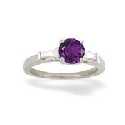
Amethyst: Amethyst has historically been the most prized gemstone in the quartz family. It is treasured for its purple hue, which can range in tone from light to dark. Emerald: Emeralds are one of the three main precious gemstones (along with rubies and sapphires) and are known for their fine green to bluish green colour. They have been treasured throughout history, and some historians report that the Egyptians mined emerald as early as 3500 BC.
|
$256.99 |
|
| |
| |
|
|
|
Some jewellery is plated to give it a shiny, reflective look or to achieve a desired colour. Sterling silver jewellery may be plated with a thin layer of 999 fine silver (a process known as flashing) or may be plated with rhodium or gold. Base metal costume jewellery may also be plated with silver, gold, or rhodium for a more attractive finish.
|
$93.99 |
|
| |
| |
|
|
|
By the mid 1940s, 85% of weddings in the U.S. featured a double-ring ceremony, up from 15% in the 1920s. Religion has also played a role: Islam, for instance, considers the wearing of gold by men as a social taboo, and many religions have edicts against excessive display.
|
$212.99 |
|
| |
| |
|
|
|
Wearing of amulets and devotional medals to provide protection or ward off evil is common in some cultures; these may take the form of symbols (such as the ankh), stones, plants, animals, body parts (such as the Khamsa), or glyphs (such as stylized versions of the Throne Verse in Islamic art).
|
$165.99 |
|
| |
| |
|
|
|
Jasper: Jasper is a gemstone of the chalcedony family that comes in a variety of colours. Often, jasper will feature unique and interesting patterns within the coloured stone. Picture jasper is a type of jasper known for the colours (often beiges and browns) and swirls in the stone’s pattern.
|
$89.99 |
|
| |
| |
|
|
|
Most American and European gold jewellery is made of an alloy of gold, the purity of which is stated in karats, indicated by a number followed by the letter K. American gold jewellery must be of at least 10K purity (41.7% pure gold), (though in England the number is 9K (37.5% pure gold) and is typically found up to 18K (75% pure gold). Higher purity levels are less common with alloys at 22 K (91.6% pure gold), and 24 K (99.9% pure gold) being considered too soft for jewellery use in America and Europe.
|
$168.99 |
|
| |
| |
|